Humanoid Robots and the Limits of Efficiency in Healthcare
Humanoid Robots and the Limits of Efficiency in Healthcare
Humanoid Robots and the Limits of Efficiency in Healthcare
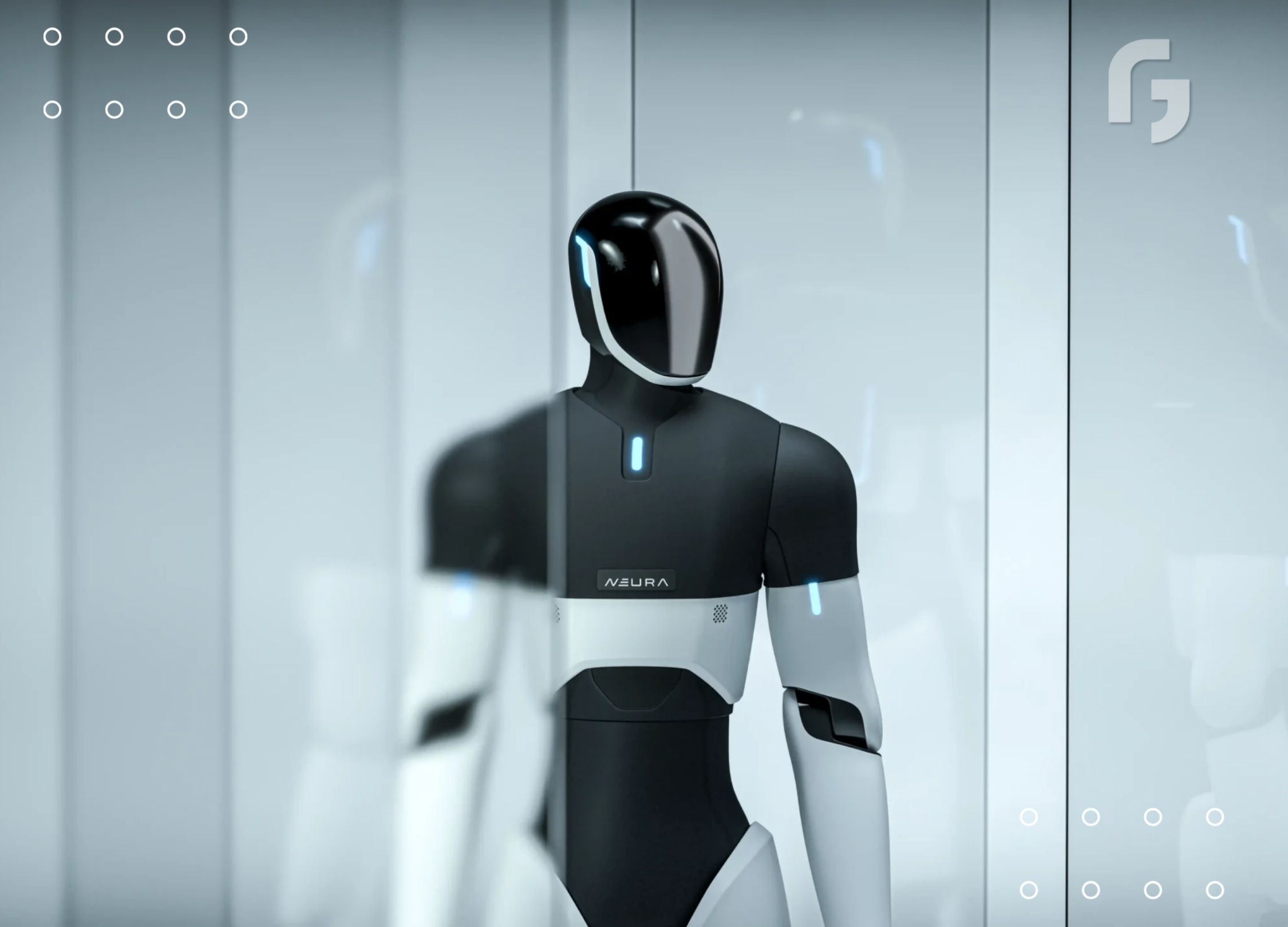
The recent advances in humanoid robotics coming from companies like NEURA are genuinely impressive. The engineering, the dexterity, the ability to interact with the physical world in increasingly human-like ways. It’s hard not to feel a sense of awe watching what these systems can now do.
And in many industries, this kind of technology will be transformative.
But healthcare requires a different conversation.
Humanoid robots make sense when the goal is to protect humans. When the work is dangerous. When environments are unstable. When repetitive physical strain puts workers at risk. In those cases, replacing human labor with machines isn’t about efficiency. It’s about safety.
That distinction matters.
In healthcare, there is a growing temptation to frame every innovation around speed, throughput, and cost reduction. The logic is understandable. Systems are strained. Staffing is tight. Demand keeps rising. But replacing clinicians with humanoid robots in the name of efficiency misunderstands what healthcare actually is.
Care is not just a series of tasks to be optimized.
It's the subtle exchange that happens when a patient looks to another human being for understanding, not just accuracy. No robot, no matter how advanced, can replicate that experience.
If anything, humanoid robotics may end up highlighting how irreplaceable human clinicians truly are.
When machines begin to resemble us more closely, the difference becomes clearer. The human touch, empathy, and moral responsibility that define healthcare cannot be automated. They can only be supported.
Where these technologies can help is behind the scenes. In logistics. In hazardous environments. In physically demanding tasks that contribute to burnout and injury. Used thoughtfully, robots can reduce risk and extend the careers of healthcare professionals rather than shorten them.
The danger lies in using remarkable technology as a shortcut to avoid investing in people.
Healthcare does not need fewer humans. What it needs is better support.
My hope is that as humanoid robotics continue to evolve, they prompt us to ask better questions. Not “What can we replace?” but “What should we protect?” Not “How fast can we go?” but “What must remain human?”
If we get this right, these advances won’t distance us from care.
They’ll remind us why the human side of medicine matters more than ever.