Innovation Only Works When Everyone Can Reach It
Innovation Only Works When Everyone Can Reach It
Innovation Only Works When Everyone Can Reach It
I have spent most of my career in places where innovation was not a luxury. It was a necessity. When resources are thin, you learn very quickly that creativity is not optional. You find ways to make systems work with what you have. You learn to stretch tools far beyond what they were designed for. You see solutions born out of constraint instead of convenience.
Over the years, as more technology enters the healthcare space, one thing keeps standing out to me: our industry loves new ideas, but we do not always think about the economic model that will carry those ideas into the real world.
This is where innovation often stops.
Not because the idea is bad.
Not because the technology is not ready.
But because the financial model behind it simply does not work for the people who could benefit the most.
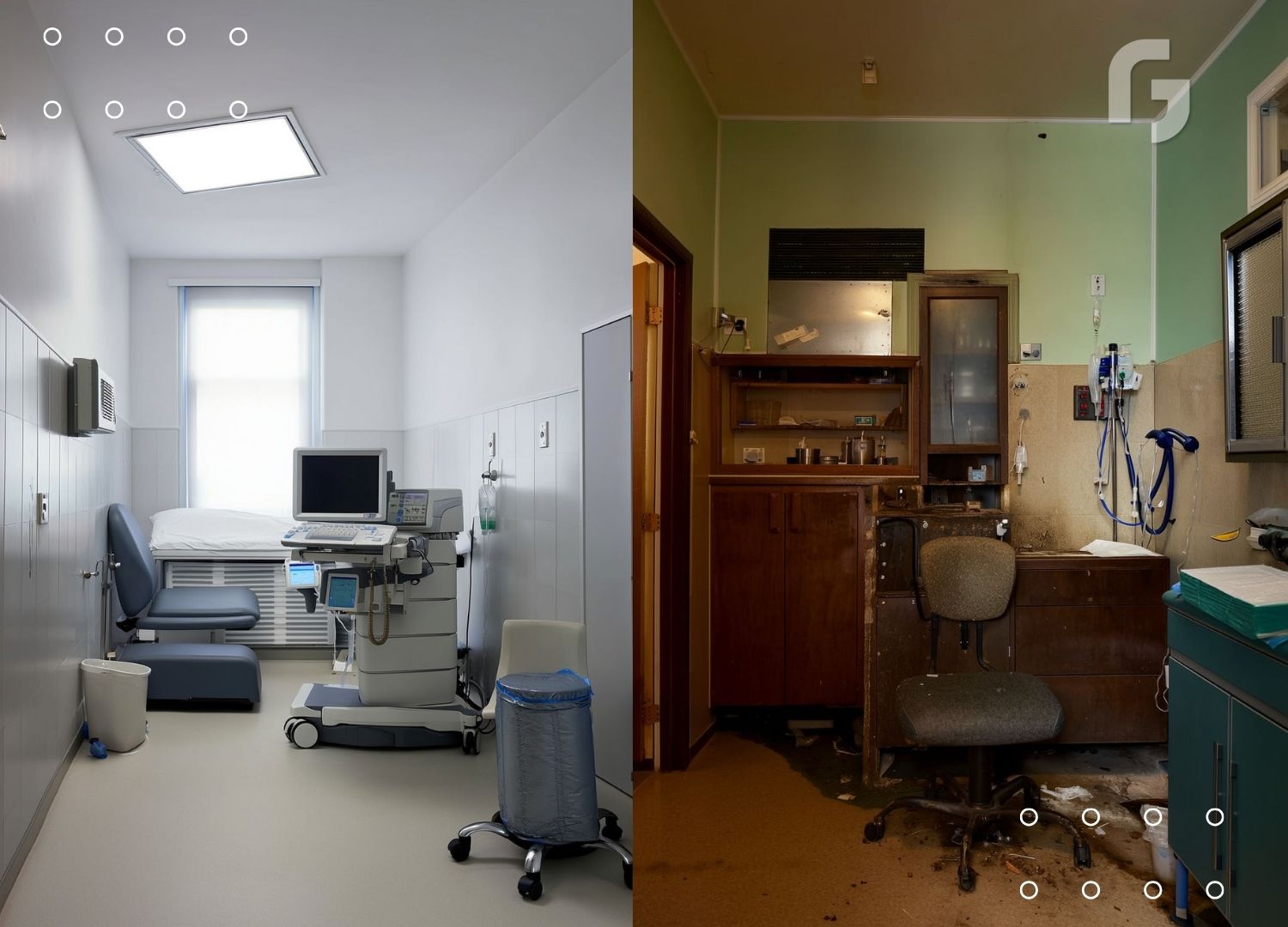
I have seen brilliant tools priced so high that safety net hospitals could never adopt them. I have seen pilots designed only for large urban systems because that is where the money flows. I have seen global markets completely ignored because the margins were not big enough.
And the truth is, this is not just a business decision. It is a health equity decision.
If we want innovation to create better outcomes, we need to design it with affordability in mind from the beginning. We need to understand that cost structures are different in rural America than in major academic centers. We need to remember that the budgets of hospitals in Latin America or other low resource settings simply do not resemble those in the United States.
There are better ways to build.
Models that tie cost to impact.
Models that scale based on outcomes instead of volume.
Models that allow small systems to adopt new tools without sacrificing essential services.
We cannot talk about the future of healthcare while pricing entire regions out of that future.
To me, the real promise of innovation is not the technology itself. It is the possibility of leveling the field. The possibility of giving patients in rural communities, border towns, island nations, and remote areas the same access to tools that others take for granted.
Innovation that only works for the already well resourced is not innovation. It is just another layer of inequality.
If we want to build something better, we need financial models that make room for everyone. That is how we create a future where technology supports care instead of widening the gap.
That is the kind of innovation worth fighting for.