XR
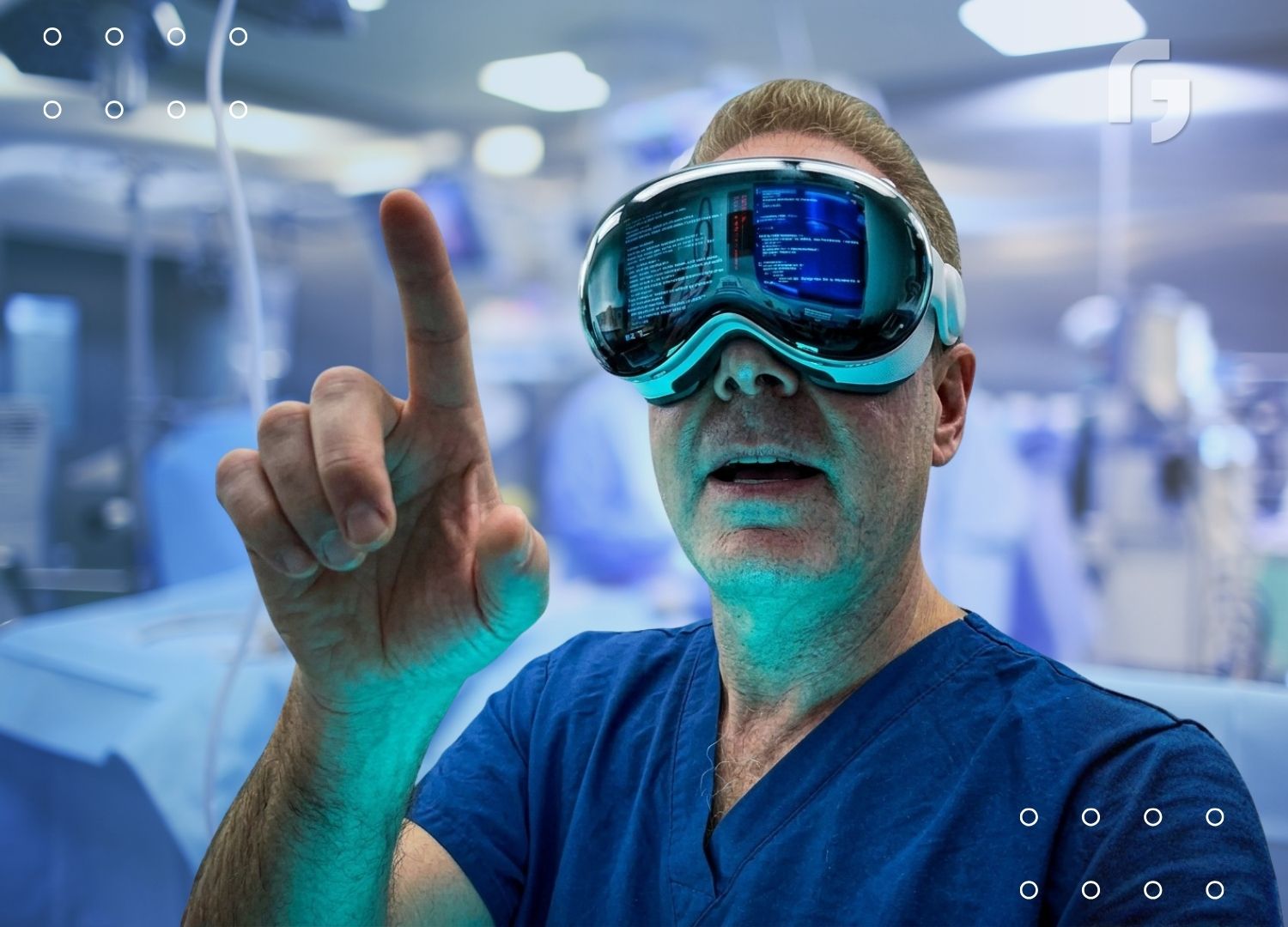
Technical Proficiency and Clinical Readiness Are Not the Same Thing
The best simulation lab in the world cannot replicate the weight of a real patient, real stakes, and real time.
That distinction matters more than medical education currently acknowledges.
Simulations make the early stages of learning safer, more repeatable, and more humane for trainees and patients alike. The ability to rehearse a procedure until the mechanics are second-nature, in an environment where mistakes carry no irreversible consequences, is genuinely valuable. Nobody serious is arguing otherwise.
The problem is what happens when simulation becomes the primary language of readiness and begins to substitute for supervised exposure to real clinical situations.
What simulation cannot teach
A simulator cannot teach them what it feels like when a patient looks at them and the stakes become personal. Clinical readiness is built from exactly those moments. The weight of being the person in the room who is responsible.
That weight cannot be introduced for the first time when a trainee is no longer a trainee. It has to be part of the education long before they are standing there alone.
Medical programs measure simulation hours. They assess technical performance in controlled environments. What very few programs measure with equivalent rigor is experiential readiness. The accumulation of real clinical exposure that builds judgment, composure, and the ability to function when conditions stop cooperating.
These are not the same metric. A trainee can be technically proficient and experientially underprepared. Both things can be true simultaneously, and our training models often fail to catch the gap because we are measuring the wrong thing.
What the next generation deserves
Trainees deserve simulation as a foundation, and they deserve what comes after it. Deliberate, supervised exposure to real clinical environments, with permission to feel the weight of real stakes before the weight falls on them without a safety net.
We need to train accordingly.
——————————————————————————————————————
Dr. Rafael Grossmann is a trauma surgeon, digital health innovator, and global keynote speaker focused on the intersection of technology and human-centered medicine. He speaks on AI in healthcare, physician burnout, and the future of patient care.


